
Group workshops
View allArgue Better
Learn the Rules of Healthy Conflict
We all disagree. What matters is how we navigate it.
Drawing on decades of Gottman research, learn why arguments escalate, how to recognize destructive communication patterns, and how to disagree without damaging your connection.
Next session
Thursday, December 3 at 10:00 AM PST
60 minutes · $79 · 7 spots left
- Format
- Live online workshop
- Duration
- 60 minutes
- Facilitator
- Sabrina Briceño, LPCC
- Price
- $79
Designed for individuals and couples. You're welcome to attend without your partner.
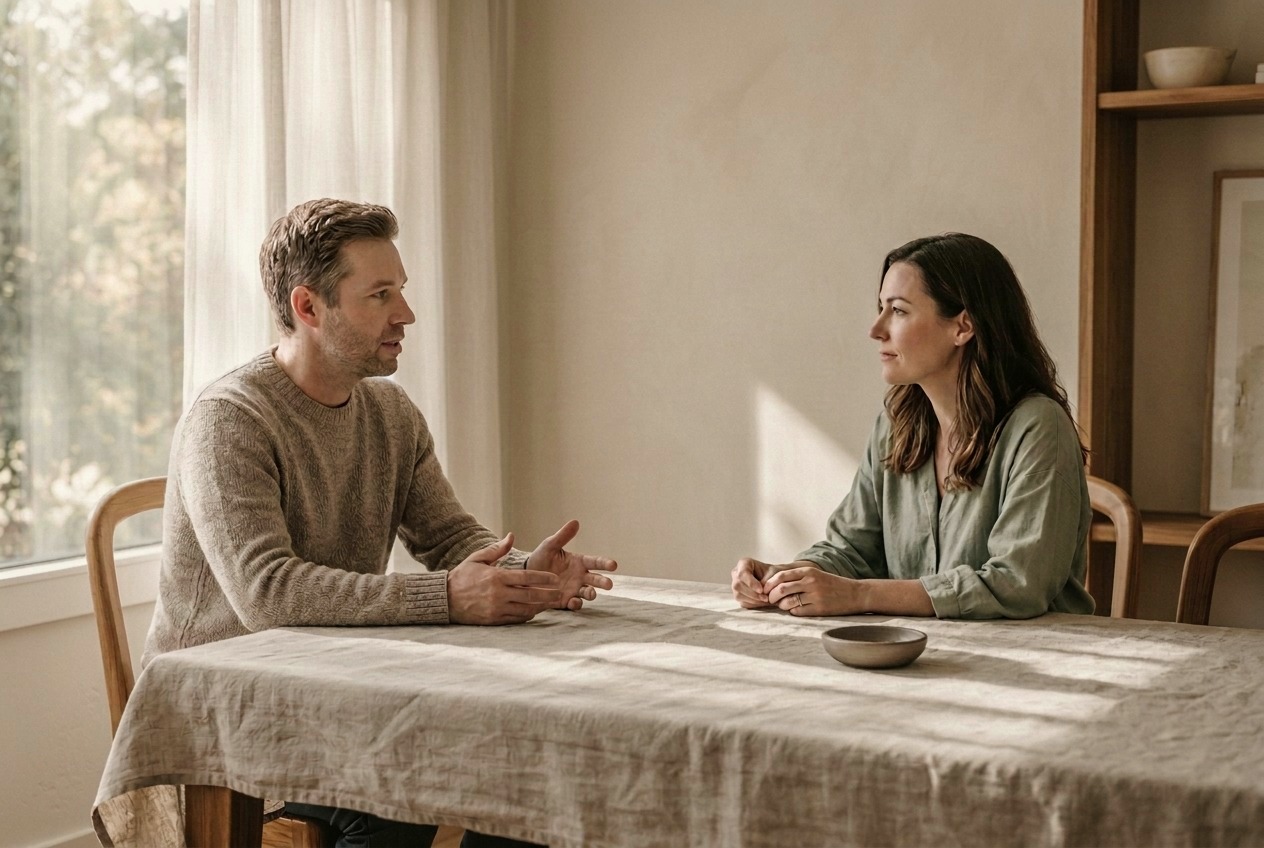
Does this sound familiar?
A small comment about the dishes turns into an argument about everything.
You replay a fight for days, wishing you'd said it differently.
You go quiet to keep the peace, and the distance grows anyway.
What we'll explore
- Why small disagreements turn into bigger arguments.
- How to recognize your personal conflict patterns.
- How to communicate needs without blame.
- How to repair after a difficult conversation.
The research behind it
This curriculum draws on established relationship research, not generic advice. A few of the findings we build on:
In Gottman's lab studies, how a conversation starts predicted how it ended about 96% of the time. A gentle start-up changes the whole arc of a disagreement.
John Gottman & Robert Levenson, observational studies of couples (1990s)
Criticism, contempt, defensiveness and stonewalling, the "Four Horsemen," are reliable predictors of distress. Contempt is the strongest of them.
John Gottman, What Predicts Divorce? (1994)
Most couple conflicts (around 69%) are perpetual: rooted in lasting differences, not solvable once and for all. The goal is dialogue, not victory.
John & Julie Gottman, The Seven Principles for Making Marriage Work
Repair attempts, small bids to de-escalate, matter more than avoiding conflict altogether.
Gottman Institute research on repair
What you'll leave with
- A clear picture of your own conflict pattern.
- A simple way to start hard conversations more gently.
- A repair script you can use the same day.
Plus a reflection workbook, one concrete action to practice, and a seven-day follow-up exercise by email.
Meet your facilitator
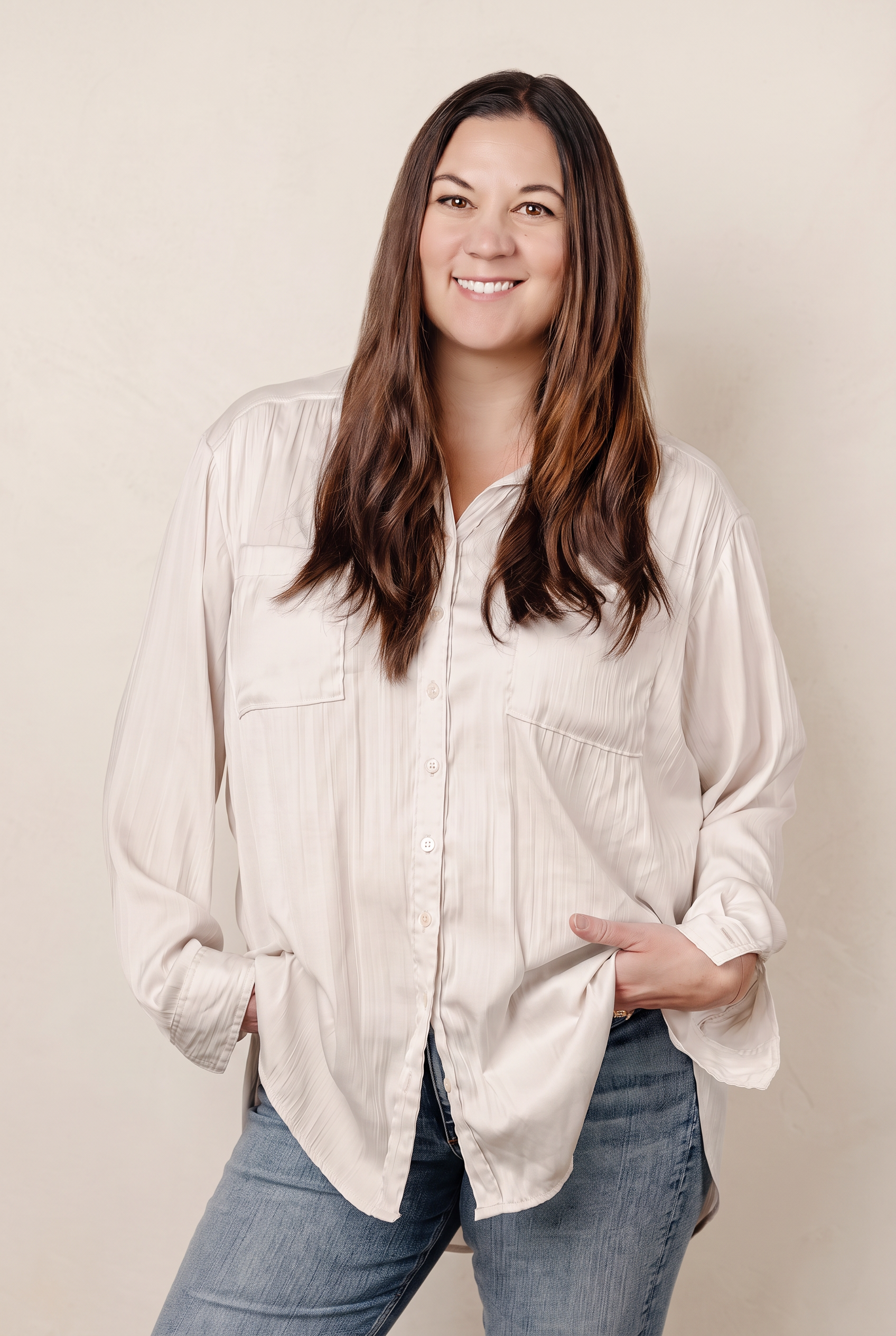
Sabrina Briceño, LPCC
Licensed professional clinical counselor · Founder of Chapter
Sabrina turns current relationship research into plain words and practical skills, with warmth and without jargon.
She holds a Master's in Professional Clinical Counseling with a focus in social justice from the University of San Francisco, and has practiced in public and private settings in San Francisco and Denver.
Her work draws on the Gottman Method, Emotionally Focused Therapy and attachment research, and builds goal-setting and accountability into the work. She is licensed in California and Colorado, and holds space for clients of every identity.
Practical details
Each workshop is capped at 10 people max, so there is room for real conversation.
On your own or with someone
Come by yourself, or bring your partner, a friend or a family member. Nothing in the session assumes you're a couple.
Camera on or camera off
Keep your camera off if you'd rather listen than be seen. You can still type, and no one will single you out.
Participation is optional
Speak when you want to and pass when you don't. You're never called on.
No judgment
This is a room for learning, not performing. Share as little or as much as you like.
Reserve your spot
Payments in the preview are in test mode.